Blog

Notes from the clinic

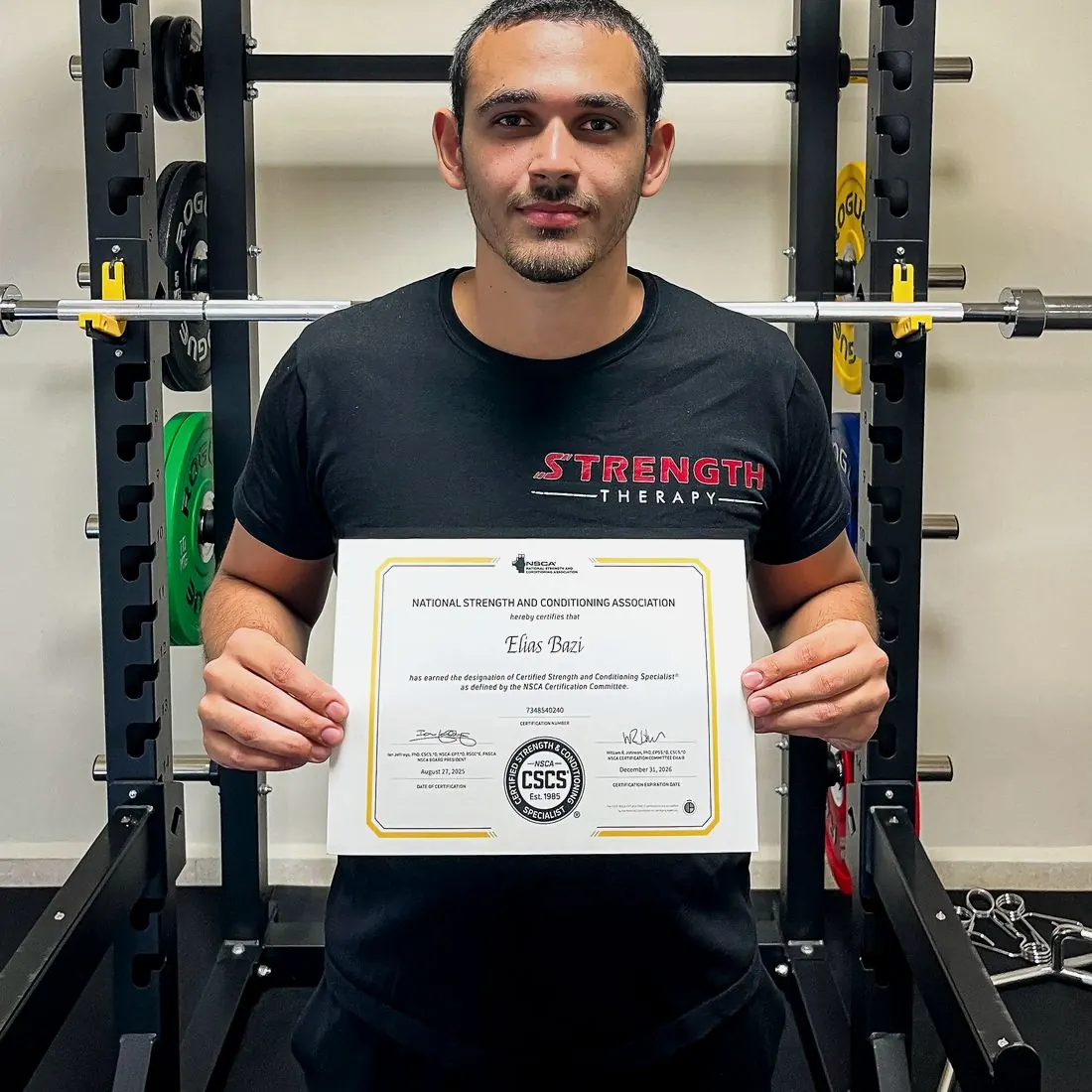
Practical advice on pain, surgery rehab and returning to sport, plus news from the teams Dr. Bazi works with.

Tendinitis and calcifications: why rest alone rarely fixes them

Tendinitis and calcifications: why rest alone rarely fixes them

Resting a painful tendon feels logical, but tendons get stronger by being loaded the right way. Here's what actually helps.

Read moreShow less

When a tendon in your shoulder, elbow, knee or heel hurts, the natural reaction is to stop using it. Rest can calm the pain for a while, but it doesn't make the tendon stronger. When you go back to normal activity, the same tendon is often just as weak as before, and the pain returns.

Tendons adapt to load. A progressive strength program, started at a level your tendon can tolerate and increased step by step, is the core of treatment. In calcific tendinitis, where calcium deposits form inside the tendon, shockwave therapy can also help reduce pain and support healing.

At Strength Therapy we combine both: shockwave therapy to calm the tendon, and a strength plan built around your daily life, work or sport. If a tendon has been bothering you for more than a few weeks, book an assessment rather than waiting for it to settle on its own.
ACL surgery coming up? Why the weeks before matter

ACL surgery coming up? Why the weeks before matter

How you go into ACL surgery shapes how you come out of it. Prehab is one of the easiest ways to make recovery smoother.

Read moreShow less

After an ACL tear, many people simply wait for their surgery date. Those weeks are a valuable chance to prepare. Going into surgery with less swelling, a knee that straightens fully and stronger thigh muscles usually makes the first phase of rehab easier.

Prehab focuses on calming the knee, restoring range of motion and keeping the quadriceps and hamstrings working. It's also the right time to learn the exercises you'll do in the first days after the operation, so you start rehab already knowing what to do.

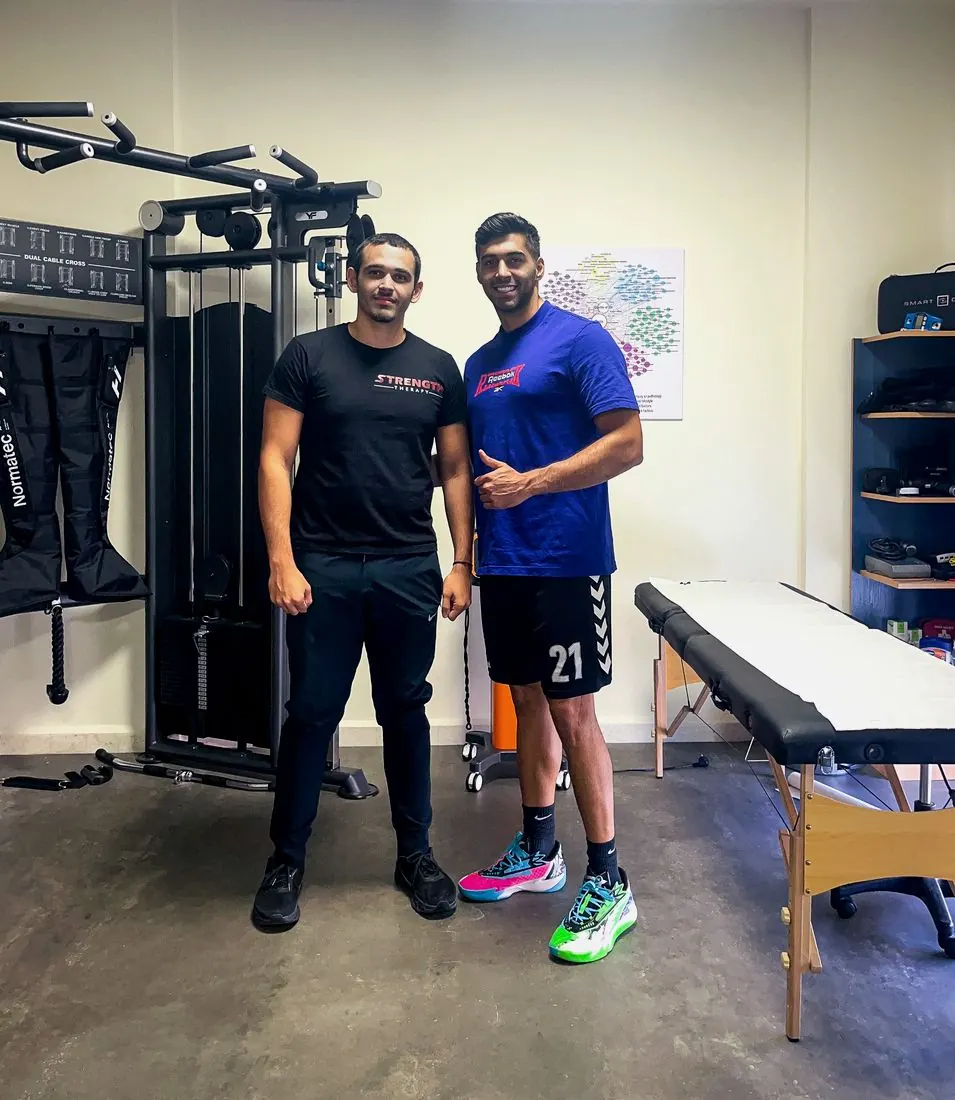
Dr. Bazi has guided athletes from an ACL tear all the way back to professional handball. If your surgery is planned, book as soon as you have a date.

Blood flow restriction: getting stronger without heavy weights

Blood flow restriction: getting stronger without heavy weights

When pain or surgery stops you from lifting heavy, BFR lets your muscles keep building strength with light loads.

Read moreShow less

Muscles usually need heavy loads to get stronger, but after surgery or during a painful injury, heavy lifting isn't an option. Blood flow restriction (BFR) training solves this by placing a special cuff around the upper arm or thigh to partly reduce blood flow while you exercise with light weights.

This makes light exercise work your muscles much harder than it normally would, so you can build strength and limit muscle loss while protecting the injured area. It's widely used in ACL rehab, after other surgeries, and with athletes who need to keep training around an injury.

BFR must be set up and supervised by a trained professional, with the cuff pressure measured for each person, and it isn't suitable for everyone. Your assessment at Strength Therapy checks whether it's right for you.

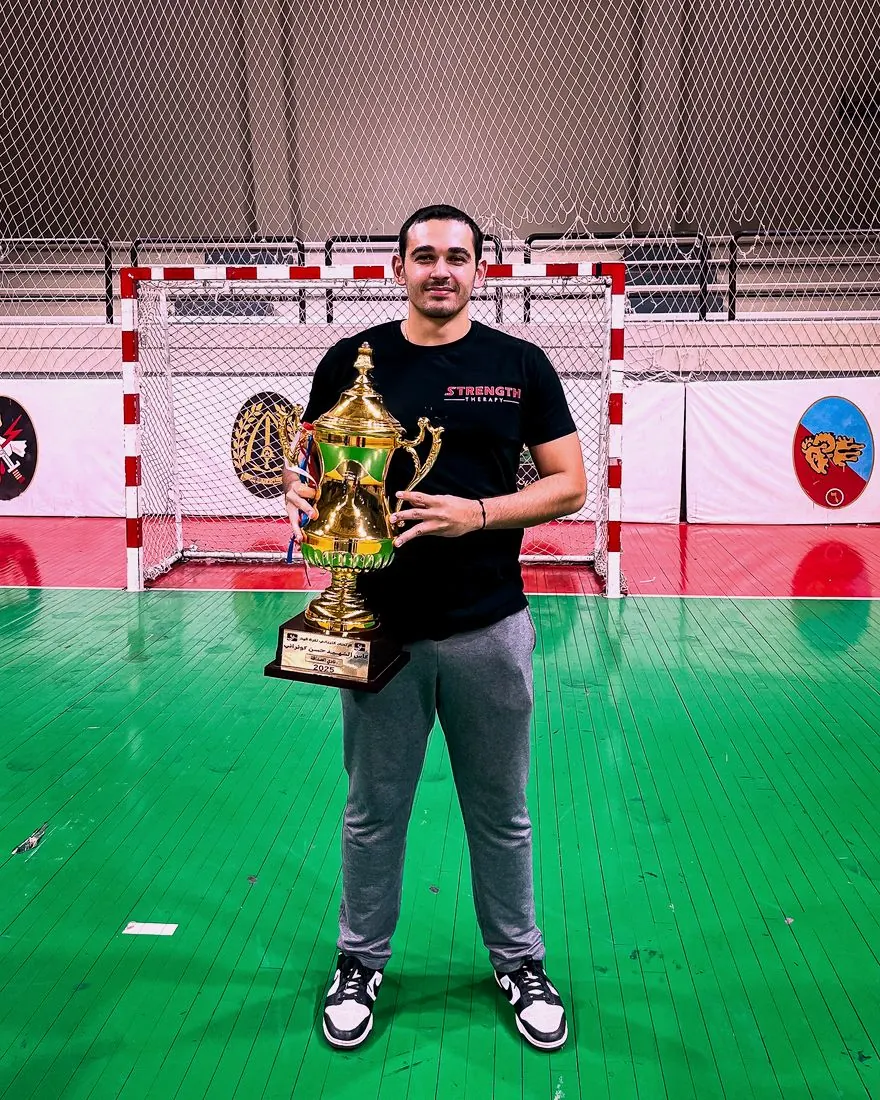
2025 Division 1 Champions

2025 Division 1 Champions

A season of hard work on and off the court ended with the Division 1 trophy.

Read moreShow less

Dr. Elias Bazi celebrated the 2025 Division 1 title with the team he looks after as team physiotherapist.

Behind every title is a squad that stays available: managing injuries early, getting players back safely, and keeping them strong through the season. That same approach is what every patient at Strength Therapy gets.

Book a consultation Back to home